See-Through Fishing Line: Subtle Answers for Fruitful Fishing
Clear angler's line has become a essential tool for countless fishermen attempting to improve their results on the water. Its capacity to integrate into different conditions reduces presence, permitting for a rather realistic presentation of bait. This subtle benefit can profoundly affect angling results. However, the identification and upkeep of the suitable line necessitate meticulous thought. Grasping these subtleties may be the solution to changing a angler's outing on the water. What considerations should be focused upon?
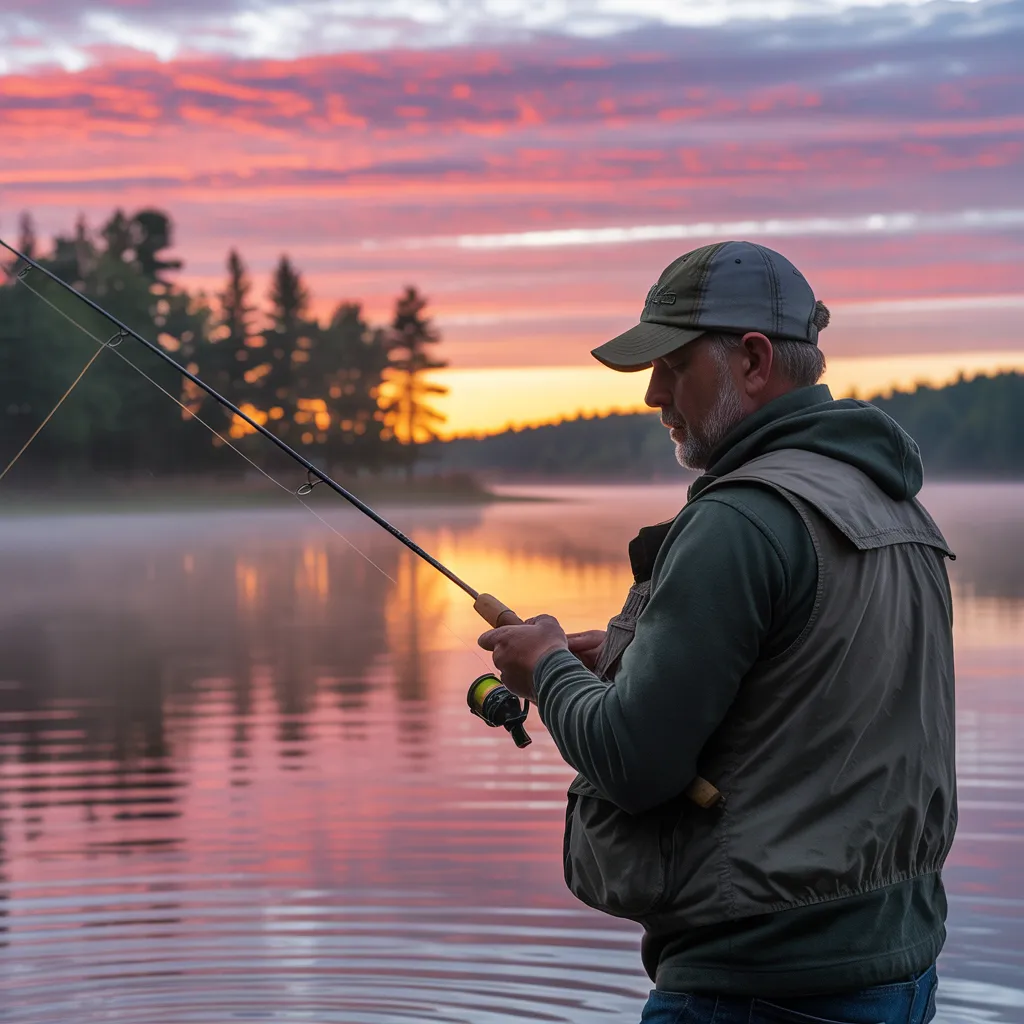
The Advantages of Using Transparent Fishing Line
When fishermen opt for transparent fishing line, they frequently gain benefits from its capacity to stay unnoticed by fish. This trait enhances the odds of landing a successful catch, since fish are less prone to be startled by visible lines. Transparent lines fit in with different water environments, whether clear or murky, boosting the angler's concealment. Moreover, employing transparent fishing line can result in superior presentation of bait, making it to appear more natural to fish.
In addition, these lines are normally made from durable elements that combat abrasion, ensuring they can withstand turbulent submerged circumstances. Their low visibility also aids in better casting accuracy, as anglers can focus on technique without being troubled by the line's detectability. Overall, the advantages of translucent fishing line designate it as a valuable choice for those desiring a more effective and subtle fishing pursuit.
Steps for Selecting the Most Clear Fishing Line You Need
What strategies can an angler use to ensure they pick the ideal clear fishing line? First, they should think about the line's type—monofilament, fluorocarbon, or braid—each offering different benefits. Monofilament provides stretch and user-friendliness, while fluorocarbon showcases reduced visibility and abrasion resistance. Braid, while not transparent, provides outstanding strength and sensitivity.
An angler must next assess the line's test strength, which should correspond to the fish type being pursued. A higher breaking strength is vital for larger fish, while lighter lines are suitable for lesser species. Additionally, the fishing environment plays a key role; transparent water may necessitate finer lines for subtlety, while challenging conditions may call for more robust, more resilient alternatives.
Finally, an angler should assess the line's thickness, knot durability, and general suppleness. By weighing these factors, anglers can confidently select the transparent fishing line most appropriate for their particular fishing conditions and techniques.
Suggestions for Correctly Loading and Maintaining Your Line
The correct spooling and maintenance of transparent fishing line is essential for achieving performance and longevity. Anglers should start by verifying their reel is clean and clear of debris before spooling. It’s critical to wind the line onto the reel in the proper direction, matching the reel’s rotation to prevent twists. Maintaining consistent tension while spooling avoids loose coils, which can result in tangles during use.
Regularly copyrightining for wear and damage is vital for line integrity. After each fishing trip, rinsing the line with clean water can help eliminate salt or dirt, preserving its quality. Additionally, storing the line in a cool, dry place away from direct sunlight will avoid deterioration. Replacing the line regularly, especially after heavy use, guarantees optimal function and reduces the risk of breakage. By adhering to these tips, anglers can improve their fishing experiences and prolong the lifespan of their transparent fishing line.
Monofilament vs. Fluorocarbon Angling Lines
When comparing monofilament and fluorocarbon fishing lines, two key elements emerge: strength and durability, plus camouflage and visibility properties. Monofilament offers greater stretch and resilience, while fluorocarbon delivers superior abrasion resistance and invisibility underwater. Understanding these differences helps anglers select the appropriate line for their conditions for fishing.
Strength And Longevity Comparison
Evaluating the strength and durability of monofilament and fluorocarbon fishing lines reveals distinct advantages for each type. Monofilament lines are known for their flexibility, which provides excellent shock absorption during catches. This trait improves their performance in varied fishing conditions but can make them more prone to abrasion. Conversely, fluorocarbon lines are generally more stiff and resistant to wear, making them ideal for environments with sharp rocks or debris. They exhibit superior knot strength and have lower stretch, which allows for quicker hook sets. While monofilament tends to be more affordable, fluorocarbon's resilience and underwater invisibility often justify the additional cost. Ultimately, the choice between the two depends on specific fishing scenarios and personal preferences.
Visibility and Camouflage Influences
The visibility and camouflage effects of monofilament and fluorocarbon fishing lines significantly affect angler success. Monofilament, typically colored and more visible in water, can discourage cautious fish. Its floating ability typically makes it simpler for anglers to sense bites but may reduce stealth. In contrast, fluorocarbon lines are almost invisible in water due to their refractive index closely matching that of water. This trait enhances camouflage, rendering fluorocarbon the preferred option in clear waters or when targeting skittish species. However, the compromise lies in its stiffness, which can affect lure presentation. Ultimately, anglers must take into account these visibility considerations to select the appropriate line for particular fishing situations, enhancing their chances of a successful catch.
Enhancing Success By Utilizing Clear Fishing Line
Using clear angling line can greatly enhance the fisherman's performance on the water. This type of line offers a distinct advantage by minimizing the visibility of the line to fish, enabling for more realistic displays of baits and lures. Anglers can utilize this characteristic to pursue skittish species that are inclined to reject brightly colored lines.
In addition, invisible fishing line performs well in diverse water settings, fitting in with both clear and murky environments. By employing stealthy techniques, anglers can enhance their potential of drawing in fish without spooking them.
Furthermore, the line's strength and durability support a rewarding fishing experience, helping anglers to withstand the challenges of heavy cover and resistant species. Overall, applying transparent fishing line provides a more hidden approach, ultimately driving higher catch rates and greater satisfaction during fishing outings.
Common Problems When Using Transparent Fishing Line
Many fishermen miss essential details during the use of transparent fishing line, leading to diminished read about this performance on the water. A frequent error involves picking an improper line strength for specific fishing situations, leading to breaking or lack of sensitivity. Furthermore, not modifying the drag settings can result in missed catches, since anglers might not correctly factor in the line's limited visibility.
Another common error is failing to check for line twists and knots, which can affect both performance and presentation. Anglers often overlook the significance of correct knot tying; weak knots can easily unravel under pressure.
Additionally, using overly extended leaders can hinder casting accuracy and alter the lure's performance. Ultimately, many anglers overlook habitat conditions, including water clarity and solar intensity, which can greatly influence the line's performance. Through circumventing these problems, anglers can strengthen their fishing pursuits and raise their success metrics.
Genuine Success Stories From Anglers Employing Transparent Line
Many success stories exist among fishermen who have successfully utilized the advantages of transparent fishing line. One fisherman, John, reported notably increased catch rates after switching to a premium transparent line. He mentioned that the line's invisibility allowed him to fish in heavily fished waters where visibility was vital.
Likewise, Sarah, a competitive angler, recounted her account of utilizing transparent line during a tournament. She ascribed her success to the stealthy nature of the line, which allowed her land multiple trophy fish that others struggled to catch.
In a separate case, Mike, an avid fly fisherman, discovered that using transparent line improved his presentations, leading to more natural movements of his flies. Each of these anglers proved that transparent fishing line can improve fishing success by reducing fish awareness and improving stealth, ultimately contributing to more rewarding fishing experiences.
Most Commonly Asked Questions
Is Invisible Fishing Line Suitable for Saltwater Fishing?
Transparent monofilament can certainly be used for saltwater angling. Its low visibility helps in avoiding recognition by fish, making it a suitable choice. However, anglers should check it has proper tensile strength and durability for saltwater settings.
What is the Average Lifespan of Transparent Fishing Line?
Clear fishing line commonly remains viable between one to three years, determined by factors like sunlight exposure, water conditions, and usage frequency. Routine inspection and suitable storage practices can extend its lifespan substantially.
Is clear angling line appropriate for all type of fish?
Clear fishing line is generally appropriate for various fish species due to its subtle visibility. Conversely, specific conditions and fish categories may necessitate modified line properties, making it necessary to choose appropriately for particular fish.
What Is the Top Tie for Transparent Fishing Line?
The Palomar knot stands as the best knot for transparent fishing line, valued for its durability and dependability. It provides a secure connection, limiting the chance of line failure while keeping the line's hidden aesthetic during fishing.
Does Clear Fishing Line Have Particular Storage Requirements?
Transparent casting line requires chilly, dry storage conditions away from direct sunlight to prevent degradation. Keeping it in a protective container works to maintain its integrity and operation, delivering maximum effectiveness throughout fishing and boosting its length of service.